
'My Portugal' is our newsletter series celebrating Portuguese culture through conversations with friends of Portugalia Marketplace. We're excited to dive into our conversation with this month's guest:

Emily De Sousa is a fisheries scientist, seafood educator and the founder of Seaside with Emily, a platform that makes sustainable seafood simple. She holds a master's degree in the human dimensions of fisheries, has taken culinary courses at the Culinary Institute of America, and has been recognized globally for her science communication work. On Seaside with Emily, she breaks down the science, shares her family’s recipes and takes her audience behind the scenes at fisheries, farms, and unique seafood cultures around the world. Raised in a Portuguese-Canadian family with Azorean roots, Emily grew up with seafood at the center of every celebration.
Portugalia Marketplace: Your family roots trace back to the Azores, where fishing is woven deeply into daily life. How did growing up in a Portuguese household in Canada shape your relationship with the ocean?
Emily De Sousa: Growing up Portuguese shaped everything about my relationship with the ocean. When you’re surrounded by water, the ocean shapes how you live: the food, the culture, how you move, how you see the world. Ocean salt is in our blood.
In the Azores, seafood is a way of life. It’s part of who I am. It’s at every family gathering. It’s what I order when we eat out. My husband and I plan entire trips around great seafood restaurants and unforgettable ocean experiences.

The ocean means everything to my islands and my people. That’s why I’ve made it my life’s work to protect it. I educate people about marine issues. I advocate for sustainable seafood. And I show people how much there is to love about the ocean, so they’ll want to protect it too.
PM: What are the earliest sensory memories you have of Portuguese food, and did they impact your academic and career paths?
EDS: My earliest (and favorite) seafood memories revolve around the holidays.
Christmas morning, waking up to the sounds and smells of my mom frying codfish in the kitchen. She would be at it long before any of us woke up and the smell of codfish would waft through the house. By the time we got up to open presents, the kitchen counter would be covered in crispy, delicious, freshly fried bacalhau.
The next day, we’d be elbow-deep in garlic shrimp with my cousins. Literally, elbow-deep. Long after dessert was eaten and presents were opened, a giant tray of garlic shrimp would magically appear, giving all of us permission to stay up way past our bedtime to enjoy this time honoured tradition of the midnight seafood feast.
In our house, seafood was how we gathered. How we celebrated. How we stayed connected to the islands. It was never just food on a plate. So when I went to grad school, I didn’t just want to study fish. I wanted to study the people behind them. My master’s focused on the human dimensions of fisheries, where people, economics, politics and culture meet seafood. It all started at my mom’s stove.
PM: You’ve built a career blending fisheries science with travel and culinary culture. What ultimately led you to content creation and building Seaside With Emily as your primary educational platform?

EDS: It started in grad school. Whenever I told friends and family about my research, I’d hear things like, “But doesn’t seafood have a ton of mercury?” or “Isn’t farmed fish bad for you?”
I realized there was a huge knowledge gap in what us academics knew about seafood and what the average person knew about seafood. I wanted to bridge that gap.
At the same time, I’d been building a social media platform as a side hustle, documenting my travels, scuba diving and food. By the time the pandemic hit, I had a substantial following, so I pivoted and made seafood the focus. It was the greatest thing I ever did.
I started making videos in my apartment explaining what “sustainable seafood” means, breaking down ecolabels and walking through different fishing methods. Turns out, people weren’t just hungry for this information. They were starving for it.
Seaside with Emily quickly grew into the seafood education platform it is today. I kept breaking down fisheries and aquaculture science, shared my family’s recipes, and taught people how to handle and prepare seafood at home.
Since then, I’ve travelled to dozens of countries and toured fish farms and seafood operations all over the world. I’ve eaten at some of the best seafood spots on the planet, cooked alongside incredible chefs and built a global network of producers and culinary experts. Every trip makes me a better educator, and my audience gets a front-row seat.
My goal hasn’t changed since that cold winter night on campus when I decided to go to grad school: bring a new, radical level of transparency to the seafood industry and empower people to make responsible seafood choices.
PM: When you look at how Portugal eats (seasonal catches, traditional canning, etc.) what can North American food lovers learn about sustainable seafood from Portuguese coastal culture?
EDS: Don’t be afraid of preserved seafood. North Americans are obsessed with fresh. In Portugal, we love tinned fish and salt cod, preservation methods that lock in freshness. That means less waste and great seafood year-round.
And get your damn hands dirty!!! It pains me to watch people eat sardines or shell-on shrimp with a knife and fork. Just use your hands. That’s half the fun.
PM: The recent conservas craze has introduced a new generation to Portuguese pantry staples. As a seafood educator, what is your take on why tinned fish is having such a massive cultural moment?

EDS: It’s accessible. There’s no expensive fillet to mess up on the stove. The prep is already done. Just open the tin and enjoy.
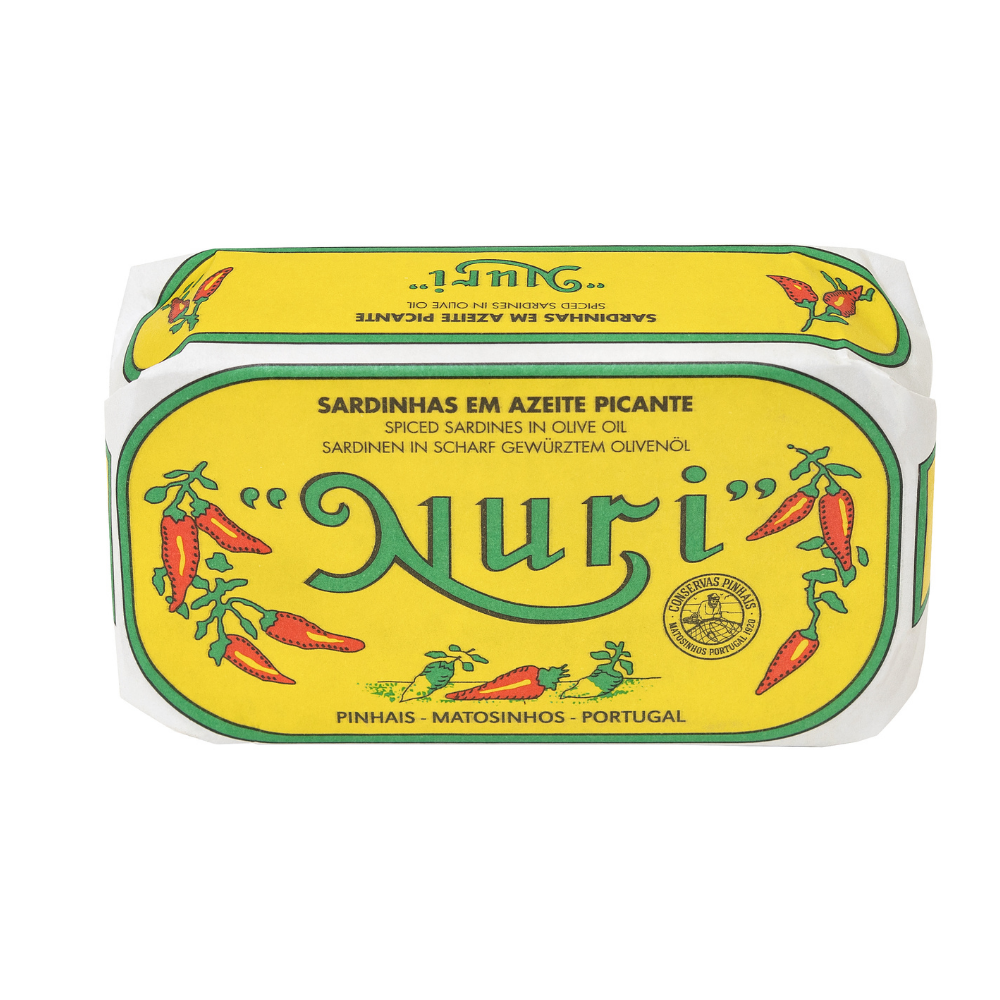
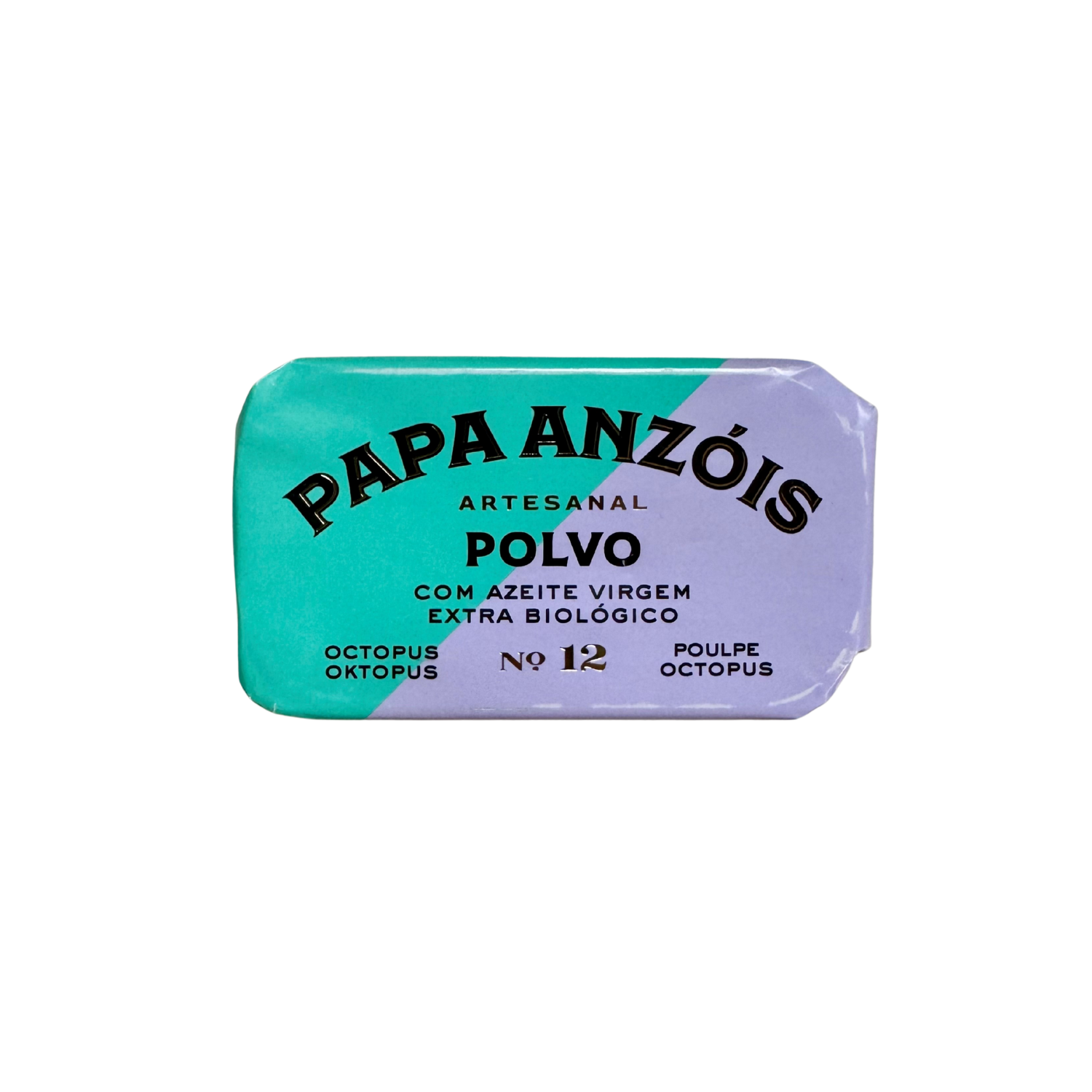
The branding has changed, too. Tinned fish has moved past the traditional seafood packaging that’s usually very boring: old blue packaging with a fisherman in rubber boots. Today, the tins are bold and beautiful, and they’re reaching a much wider audience as a result.
PM: Beyond the classic bacalhau and sardines, what is one underrated Portuguese seafood dish that visitors shouldn't miss?
EDS: Grilled octopus and percebes.
Nobody does grilled octopus better than Portugal. And percebes (goose barnacles) are so fun. They look intimidating, but they’re delicious and a true taste of this coastline. If you’re visiting, you have to try them!
Learn more at Seaside with Emily and follow along at @seasidewithemily.